
Skip slider
-

Structured Cabling
Knowledge, application examples, and product suggestionsGo to applications -
Structured Cabling
Knowledge, application examples, and product suggestionsGo to applications
Structured Cabling

Knowledge, application examples, and product suggestions
Go to applications
A reliable network infrastructure is essential today. Structured cabling, also known as universal building cabling (UBC), provides the basis for fast, stable, and future-proof data transmission. It follows a standardized system based on clearly defined levels that can be flexibly adapted to different requirements. Thanks to its modular structure, standardized components, and central distribution points, it not only ensures order, but also high performance and easy expandability—from the workplace to the server room.
Here you can find out everything you need to know about structured cabling. In addition, we at EFB-Elektronik have prepared three application examples for structured cabling with sketches and suitable product suggestions to help you choose the right components. In addition to our extensive product portfolio, discover our other services in the field of structured cabling: from in-house cable production and the modification of components and network cabinets to comprehensive project consulting, as in our reference project at Köpenick Town Hall in Berlin!
A reliable network infrastructure is essential today. Structured cabling, also known as universal building cabling (UBC), provides the basis for fast, stable, and future-proof data transmission. It follows a standardized system based on clearly defined levels that can be flexibly adapted to different requirements. Thanks to its modular structure, standardized components, and central distribution points, it not only ensures order, but also high performance and easy expandability—from the workplace to the server room.
Here you can find out everything you need to know about structured cabling. In addition, we at EFB-Elektronik have prepared three application examples for structured cabling with sketches and suitable product suggestions to help you choose the right components. In addition to our extensive product portfolio, discover our other services in the field of structured cabling: from in-house cable production and the modification of components and network cabinets to comprehensive project consulting, as in our reference project at Köpenick Town Hall in Berlin!
What is structured cabling?
Structured cabling, also known as universal building cabling (abbreviation UGV), is a standardized concept for planning and installing a building's information network. As part of the network infrastructure, structured cabling is used in particular in office, campus, and industrial environments. In the age of smart homes and digital lifestyles, structured cabling has also gained relevance in private network environments, single-family homes, and residential complexes.
The most important features of structured cabling at a glance:
The most important features of structured cabling at a glance:
✓ Modular designwith several logically separate levels (primary, secondary, tertiary cabling).
✓ Standardized components based on copper (e.g., Cat.6A) or fiber optics.
✓ Central distribution points (floor or main distributors).
✓ Future-proof network infrastructure ,designed for high data volumes and support for new technologies (e.g., 10 Gigabit Ethernet).
✓ Independent of applications such as specific devices or services.
A well-designed and professionally implemented structured cabling system offers many advantages: It facilitates subsequent maintenance work, troubleshooting, and repairs, allows for scalable network expansions, ensures that the network infrastructure is designed for longevity and high performance, and keeps the entire network neat and tidy.
Primary, secondary, and tertiary cabling
Structured cabling is generally divided into three areas: primary, secondary, and tertiary cabling. These three levels subdivide the path of the data lines from the central main distribution frame to the end device.
Primary cabling: Site cabling
Primary cabling, also known as campus or site cabling, connects different buildings on a site, e.g., the company headquarters with annex buildings or the data center in the main building with a server room in the warehouse building. This network connection usually runs underground and consists of fiber optic cables to ensure high connection speeds over longer distances of several hundred meters to kilometers.
Secondary cabling: Building cabling
Secondary cabling is also referred to as building cabling, riser cabling, or floor cabling and connects the central technical rooms or floor distributors within a building to the main distributor. For example, distribution cabinets on the individual floors are connected to the server room in the basement or ground floor. Both fiber optics and copper (e.g., Cat.7) can be used here, with maximum cable lengths generally not exceeding 500 meters.
Tertiary cabling: Floor cabling
Tertiary cabling, also known as floor cabling, horizontal cabling, or workstation cabling, runs within a floor of a building and connects the floor distributor to the individual connection sockets at the workstation. Copper cables (e.g., Cat.6A) are typically used for this purpose, with a maximum connection length of 90 meters to the connection socket and an additional maximum of 10 meters of patch cable.

Primary cabling: Site cabling
Primary cabling, also known as campus or site cabling, connects different buildings on a site, e.g., the company headquarters with annex buildings or the data center in the main building with a server room in the warehouse building. This network connection usually runs underground and consists of fiber optic cables to ensure high connection speeds over longer distances of several hundred meters to kilometers.
Secondary cabling: Building cabling
Secondary cabling is also referred to as building cabling, riser cabling, or floor cabling and connects the central technical rooms or floor distributors within a building to the main distributor. For example, distribution cabinets on the individual floors are connected to the server room in the basement or ground floor. Both fiber optics and copper (e.g., Cat.7) can be used here, with maximum cable lengths generally not exceeding 500 meters.
Tertiary cabling: Floor cabling
Tertiary cabling, also known as floor cabling, horizontal cabling, or workstation cabling, runs within a floor of a building and connects the floor distributor to the individual connection sockets at the workstation. Copper cables (e.g., Cat.6A) are typically used for this purpose, with a maximum connection length of 90 meters to the connection socket and an additional maximum of 10 meters of patch cable.
Structured cabling: network, requirements, and standards
When setting up structured cabling, there are certain technical requirements and standards that need to be followed to make sure you end up with a secure, high-performance, and future-proof network infrastructure. These network requirements apply to both the planning and implementation stages.


1. Performance and bandwidth
Support for modern transmission standards with low latency and high data rates. A capacity reserve should always be planned to ensure support for future applications and thus create a future-proof network.
Support for modern transmission standards with low latency and high data rates. A capacity reserve should always be planned to ensure support for future applications and thus create a future-proof network.
2. Reliability and availability
Redundant cable routes or systems protect the network from failures. High-quality components with low susceptibility to interference are a must for a reliable and durable network.
Redundant cable routes or systems protect the network from failures. High-quality components with low susceptibility to interference are a must for a reliable and durable network.
3. Flexibility and scalability
Structured cabling is planned modularly so that additional workstations and new technologies can be easily integrated. A modular design also facilitates changes to the network when rooms are adapted or relocated.
Structured cabling is planned modularly so that additional workstations and new technologies can be easily integrated. A modular design also facilitates changes to the network when rooms are adapted or relocated.


4. Compatibility and application openness
Uniform interfaces such as RJ45 or LC/SC open up the possibility of a wide variety of applications. A structured cabling network must also be usable independently of any end devices or applications.
Uniform interfaces such as RJ45 or LC/SC open up the possibility of a wide variety of applications. A structured cabling network must also be usable independently of any end devices or applications.
5. Safety
Potential equalization and EMC protection (electromagnetic compatibility) as well as the separation of power and data lines prevent interference. In addition, data protection and data security must be feasible.
Potential equalization and EMC protection (electromagnetic compatibility) as well as the separation of power and data lines prevent interference. In addition, data protection and data security must be feasible.
1. Performance and bandwidth
Support for modern transmission standards with low latency and high data rates. A capacity reserve should always be planned to ensure support for future applications and thus create a future-proof network.
Support for modern transmission standards with low latency and high data rates. A capacity reserve should always be planned to ensure support for future applications and thus create a future-proof network.
2. Reliability and availability
Redundant cable routes or systems protect the network from failures. High-quality components with low susceptibility to interference are a must for a reliable and durable network.
Redundant cable routes or systems protect the network from failures. High-quality components with low susceptibility to interference are a must for a reliable and durable network.
3. Flexibility and scalability
Structured cabling is planned modularly so that additional workstations and new technologies can be easily integrated. A modular design also facilitates changes to the network when rooms are adapted or relocated.
Structured cabling is planned modularly so that additional workstations and new technologies can be easily integrated. A modular design also facilitates changes to the network when rooms are adapted or relocated.
4. Compatibility and application openness
Uniform interfaces such as RJ45 or LC/SC open up the possibility of a wide variety of applications. A structured cabling network must also be usable independently of any end devices or applications.
Uniform interfaces such as RJ45 or LC/SC open up the possibility of a wide variety of applications. A structured cabling network must also be usable independently of any end devices or applications.
5. Safety
Potential equalization and EMC protection (electromagnetic compatibility) as well as the separation of power and data lines prevent interference. In addition, data protection and data security must be feasible.
Potential equalization and EMC protection (electromagnetic compatibility) as well as the separation of power and data lines prevent interference. In addition, data protection and data security must be feasible.
To ensure compliance with structured building cabling requirements, there are international and national standards that regulate structured cabling:
International – ISO/IEC 11801: This international standard defines the structure, performance requirements, and transmission standards for generic (structured) cabling.
Europa – EN 50173: The European standard, known in Germany as DIN EN 50173, corresponds to ISO/IEC 11801 and has national adaptations. EN 50173 regulates general requirements and standards for office buildings, industrial facilities, residential buildings, and data centers.
Supplementary standard – DIN EN 50174:European supplementary standard that regulates planning, installation, and operation and covers safety distances, EMC requirements, and fire protection.
USA – ANSI/TIA-568:The US standard includes the European standard and ISO/IEC and is therefore often adhered to worldwide, making it relevant for many projects.
Europa – EN 50173: The European standard, known in Germany as DIN EN 50173, corresponds to ISO/IEC 11801 and has national adaptations. EN 50173 regulates general requirements and standards for office buildings, industrial facilities, residential buildings, and data centers.
Supplementary standard – DIN EN 50174:European supplementary standard that regulates planning, installation, and operation and covers safety distances, EMC requirements, and fire protection.
USA – ANSI/TIA-568:The US standard includes the European standard and ISO/IEC and is therefore often adhered to worldwide, making it relevant for many projects.
Examples of structured cabling: Building types and cabling suggestions
Structured cabling projects pose complex challenges regardless of the type of building. That's why we at EFB-Elektronik have put together examples of structured cabling for three common types of buildings, complete with sketches. We also provide you with the right product recommendations so that you know exactly which components you need. You can then conveniently order your selected products directly from the EFB-Elektronik online shop.
Basically, you need the following components for structured cabling


- Installation cables
- Copper patch cables
- Copper network sockets & patch panels
- Keystones
- Fiber optic installation cables
- Network cabinets & wall housings
- Fiber optic patch cables
- LAN Switches

Do you have special requirements for your structured building cabling? Then please feel free to contact us! Our team of expert engineers will be happy to advise you from the outset and provide you with tailor-made product solutions.
Request personal consultation
Structured building cabling in a single-family home – sketch and product suggestions
- Network equipment
for a single-family home with 8–12 users or connections - Categories Cat.6–6A or 1Gbit, 2.5Gbit, 5Gbit, 10Gbit
with the option of WiFi equipment - Perfectly prepared
for home office, IoT (Internet of Things) and/or smart home: To ensure perfect WiFi coverage, we recommend installing a WiFi repeater in every room with a user connection.

Switch

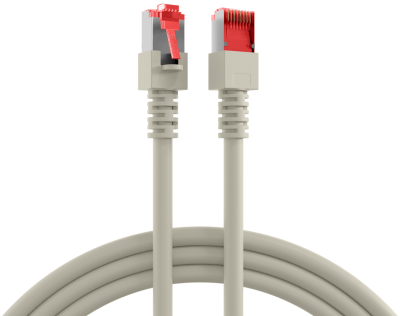
Patch cable
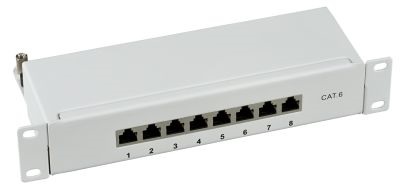
Patchpanel
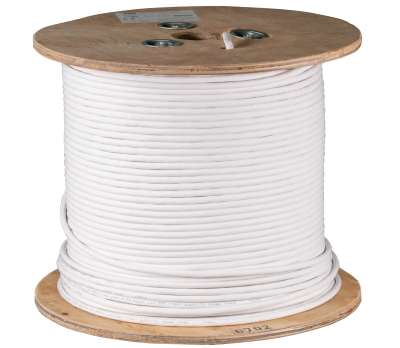
Installation cable
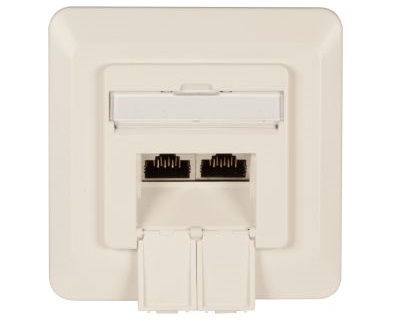
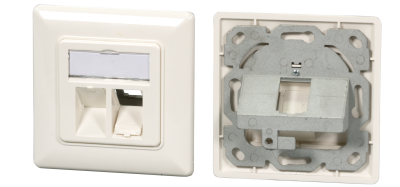
Network socket
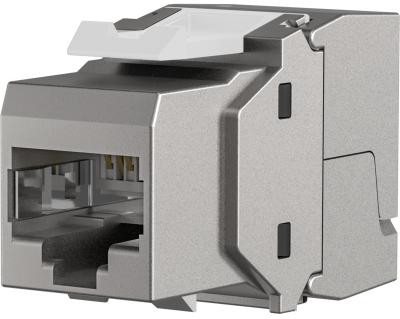
Keystone with mounting frame
Patch cable
Switch
Patch cable
Patchpanel
Installation cable
Network socket
Keystone with mounting frame
Patch cable
Structured building cabling in a single-family home – sketch and product suggestions
- Network equipment
for a single-family home with 8–12 users or connections - Categories Cat.6–6A or 1Gbit, 2.5Gbit, 5Gbit, 10Gbit
with the option of WiFi equipment - Perfectly prepared
for home office, IoT (Internet of Things) and/or smart home: To ensure perfect WiFi coverage, we recommend installing a WiFi repeater in every room with a user connection.
Product recommendations Cat.6


Product recommendations Cat.6A


Structured cabling in an office building – sketch and product suggestions
- Network equipment
for an office building with 12 users or connections on one floor - Categories Cat.6 – 6A or 1Gbit, 2.4Gbit, 5Gbit, 10Gbit
with the option of WiFi equipment and remote powering (4PPOE): The perfect WiFi coverage must be adapted to the floor plan of the building and the distribution of the offices. Use WiFirepeaters for this purpose. - For faster connection
of the floor switches, the connection is implemented on a fiber optic basis - Implementation on a multimode or singlemode basis is possible

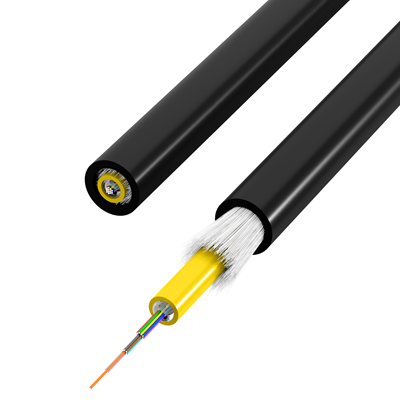
U-DQ cable
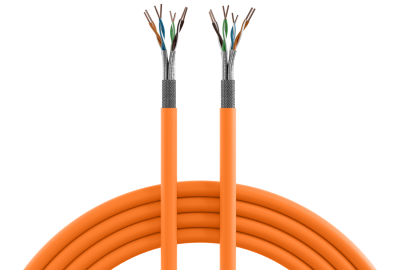
Cat.7 installation cable
Variant 1 with data socket
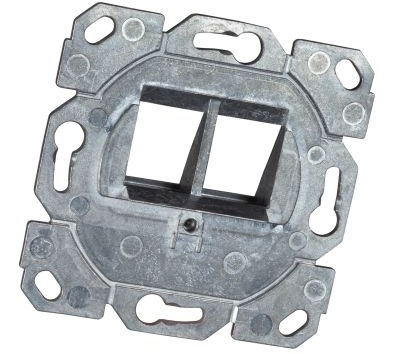
Variant 2 with keystone and support frame
Patch cable at the subscriber connection
U-DQ cable
Cat.7 installation cable
Variant 1 with data socket
Variant 2 with keystone and support frame
Patch cable at the subscriber connection

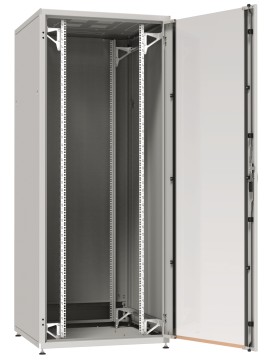
floor distributor
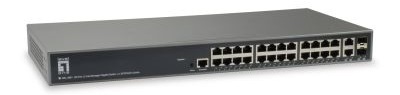
Switch
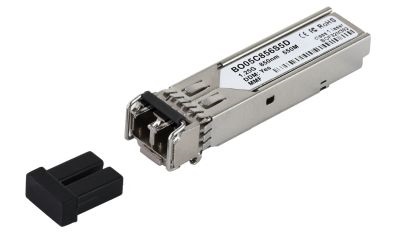
SFP+
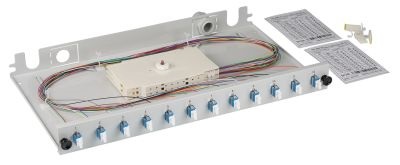
Splice box
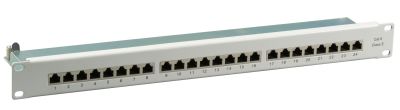
copper patch panel
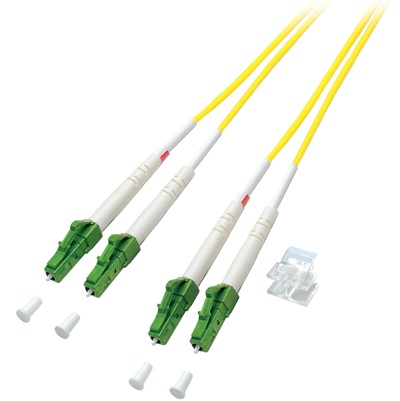
Fiber optic patch cable
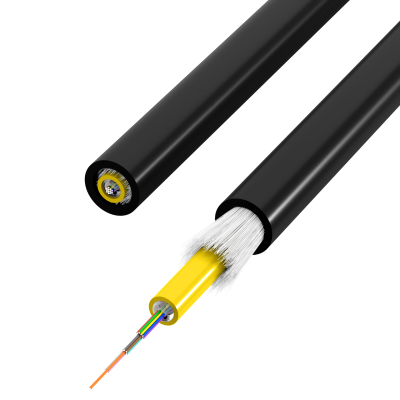
Cat.7 installation cable
floor distributor
Switch
SFP+
Splice box
copper patch panel
Fiber optic patch cable
Cat.7 installation cable
Building
Floor distributor
U-DQ Cable

Cat.7 installation cable

Variant 1 with data socket

Variant 2 with keystone and support frame


Patch cable at the subscriber connection

U-DQ Cable
Cat.7 installation cable
Variant 1 with data socket
Variant 2 with keystone and support frame
Patch cable at the subscriber connection
Structured cabling in an office building – sketch and product suggestions
- Network equipment
for an office building with 12 users or connections on one floor - Categories Cat.6 – 6A or 1Gbit, 2.4Gbit, 5Gbit, 10Gbit
with the option of WiFi equipment and remote powering (4PPOE): The perfect WiFi coverage must be adapted to the floor plan of the building and the distribution of the offices. Use WiFirepeaters for this purpose. - For faster connection
of the floor switches, the connection is implemented on a fiber optic basis - Implementation on a multimode or singlemode basis is possible
Product recommendations Cat.6 / OS2


Product recommendations Cat.6A / OM4


Structured cabling on a campus – sketch and product suggestions
- Network equipment
for a campus (multiple buildings) - Categories Cat.6 – 6A or 1Gbit, 2.4Gbit, 5Gbit, 10Gbit
with the option of WiFi equipment and remote powering (4PPOE) - For faster connection
of the floor switches, the connection is implemented on a fiber optic basis - Implementation on a multimode or singlemode basis is possible
A-DQ cable
Floor distributor
Cat.7 installation cable
U-DQ cable
Network socket
Keystone (frame)
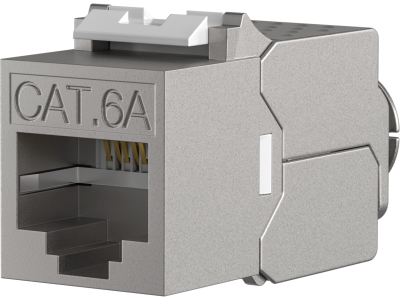
Patch cable
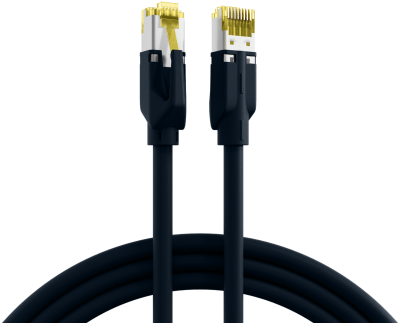
A-DQ cable
Floor distributor
Cat.7 installation cable
U-DQ cable
Network socket
Keystone (frame)
Patch cable
Structured cabling on a campus – sketch and product suggestions
- Network equipment
for a campus (multiple buildings) - Categories Cat.6 – 6A or 1Gbit, 2.4Gbit, 5Gbit, 10Gbit
with the option of WiFi equipment and remote powering (4PPOE) - For faster connection
of the floor switches, the connection is implemented on a fiber optic basis - Implementation on a multimode or singlemode basis is possible
Product recommendations Cat.6A / OS2


Product recommendations Cat.6A / OM4


Structured building cabling in a training environment
- Equipment
for a training room - Cabling
via HDMI extender
Training room


Structured building cabling in a business environment
- Equipment
for a meeting room - Cabling
via AOC cable
Meeting room


Services for our customers: Example project for structured cabling with EFB-Elektronik

At EFB-Elektronik, we view our customer relationships as partnerships and, in addition to our extensive product portfolio, we are happy to offer project consulting and solutions for individual requirements. Feel free to contact us with the specific challenges and requirements of your project. With our in-house cable production, the option to modify network cabinets, and our team of specialist engineers who are happy to assist you in selecting the right technology, we can find a solution for every cabling project.
Learn more
Get advice now
This element uses content from third parties. By using it, you accept that their data will be transmitted to those and confirm that you have read the privacy statement.


